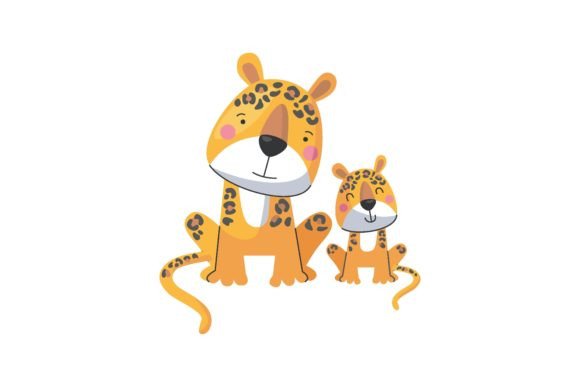
Animal Leopard Cheetah Mom and Baby, Cut: A Whimsical Asset
When you’re building a brand or designing a campaign, the visuals you choose tell a story long before the text is read. You aren't just selecting an image; you are choosing a feeling. The Animal Leopard Cheetah Mom and Baby, Cut collection represents a specific, powerful emotion: the nurturing bond of the wild combined with the innocence of childhood. It is not merely a stock image; it is a versatile design asset that bridges the gap between high-energy safari themes and soft, approachable family branding. For designers, marketers, and entrepreneurs, understanding how to leverage this specific aesthetic—whether as a vector illustration or a thematic guide—can significantly elevate your project's emotional resonance.
Visual Characteristics and Personality
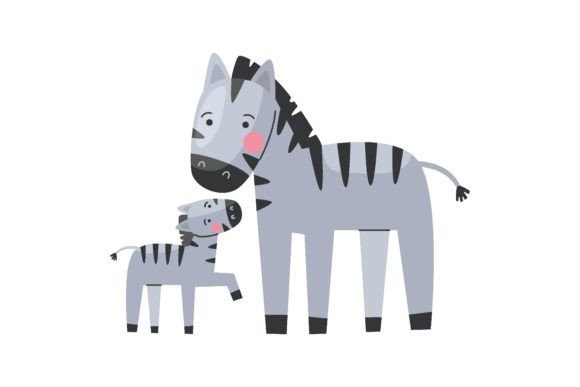
At its core, this asset type focuses on the "cute cartoon family" concept. Visually, you can expect stylized representations of big cats—leopards and cheetahs—that prioritize friendly expressions over predatory realism. The lines are typically clean, the colors are vibrant, and the composition is balanced to show a protective parent alongside a playful child. This isn't about the ferocity of the jungle; it’s about the warmth of the den.
The personality of Animal Leopard Cheetah Mom and Baby, Cut is distinct. It leans heavily into the "happy parent and small child" motif. In design terms, this creates an immediate psychological connection with the viewer. It signals safety, love, and growth. For a brand, this translates to trustworthiness. Whether the illustration features a spotted leopard nuzzling a cub or a cheetah family resting in the savannah, the style remains consistently approachable. It avoids the uncanny valley of hyper-realism by embracing a cartoonish or vector-based aesthetic, making it perfect for projects that need to feel light-hearted and optimistic.
Strategic Applications for Modern Creators
Where does this specific style of illustration fit into the broader landscape of modern typography and design? The applications are surprisingly diverse, spanning both digital and physical mediums.
For web design and social media graphics, this style is gold. It breaks the monotony of standard stock photography. A blog post about parenting, wildlife conservation, or even a corporate "About Us" page discussing company values (like nurturing talent) can use this imagery to soften the tone. It works exceptionally well for headers, hero images, or even as repeating background patterns if the density is reduced. On platforms like Instagram or Pinterest, where visual scroll-stopping power is paramount, the distinct "mom and baby" silhouette is instantly recognizable.
In packaging design, particularly for products aimed at families or children, this asset is invaluable. Think of eco-friendly baby wipes, organic snacks, or children’s books. The leopard and cheetah mom imagery suggests natural ingredients and protection. It pairs beautifully with earthy color palettes—tans, greens, and warm browns—to reinforce a message of organic quality. For editorial design, such as magazine spreads on wildlife or family lifestyle, these illustrations can serve as spot illustrations that add whimsy without overwhelming the layout.
Entrepreneurs and small business owners should also consider this for logo design elements. While a full illustration might be too detailed for a primary logo mark, it can be simplified or used as a mascot. A tutoring service, a pediatric clinic, or a family-oriented travel agency could use the "happy parent and child" dynamic to communicate their core value proposition instantly.
Design Mechanics: Pairing and Integration
Using an illustration like Animal Leopard Cheetah Mom and Baby, Cut effectively requires more than just dropping it into a file. You need to consider the surrounding design elements, particularly typography. Because the illustration style is likely rounded and playful, your font choices should either complement or intentionally contrast that energy.
If you are going for a cohesive, friendly look, pair the illustration with a sans serif font that has rounded terminals or a handwritten font for a casual touch. These typefaces mimic the soft curves of the cartoon animals, creating visual harmony. For a more sophisticated or editorial twist, you might pair the whimsical animal art with a sharp, modern serif font. This contrast creates a "high-low" effect, where the professionalism of the text grounds the playfulness of the image.
Consider the visual hierarchy. If the leopard illustration is the focal point, your typography should support it, not fight it. Avoid overly decorative script fonts that might get lost in the details of the fur or spots. Instead, use clean, legible type for body copy. If you are using the asset as part of a larger brand identity, ensure the colors in the illustration are sampled and incorporated into your color palette. This ensures the asset doesn't look like an afterthought but an integral part of the design system.
Practical Guidance for Selection and Licensing
When sourcing Animal Leopard Cheetah Mom and Baby, Cut assets, quality is paramount. Look for vectors (SVG or EPS files) rather than just raster images (JPG or PNG). Vectors are premium font equivalents for images—they are infinitely scalable. Whether you are printing a massive banner for an event or shrinking the image down for a favicon, a vector will remain crisp.
Pay attention to the licensing. As a creative professional, you must ensure you have the right to use the asset commercially. Read the terms carefully. Does the license cover digital products (like e-books or courses) and physical merchandise (like t-shirts or mugs)? If you are a crafter selling physical goods, this distinction is crucial. Many stock sites offer different tiers for personal versus commercial use.
Furthermore, evaluate the "cut" or the transparency of the file. A well-cut asset will have clean edges and no background artifacts, allowing it to blend seamlessly into any background color or texture. Before committing to a design, test the asset in different contexts. Place it on a dark background, a light background, and over a photograph. Does it maintain its integrity? Does the "mom and baby" dynamic remain clear and emotionally resonant?
The "Motherhood Concept" in Marketing
Beyond the technical aspects, the "motherhood concept" is a powerful psychological trigger in marketing. It transcends demographics. Even adults aged 20–50 who are not parents respond to the imagery of protection and care. It represents security, legacy, and the future.
For marketers and content creators, using Animal Leopard Cheetah Mom and Baby, Cut imagery can humanize a brand. It tells the audience, "We care about you." It’s a subtle way to build rapport. In a digital landscape often dominated by aggressive sales tactics and stark minimalism, a touch of cartoon warmth can be a refreshing differentiator. It makes the brand feel accessible and human.
Ultimately, this asset is a tool for connection. It’s not just about drawing a cute animal; it’s about tapping into a universal understanding of love and protection. When used thoughtfully, respecting the style and pairing it with complementary design elements, it becomes a memorable part of your visual narrative. Whether you are designing a nursery rhyme book, a social media campaign, or a new product line, the leopard and cheetah family offers a timeless appeal that resonates deeply with human nature.